
1031 Exchange Explained: How Investors Defer Capital Gains Taxes
Selling an investment property can be profitable, but it can also create a large tax bill. For many real estate investors, capital gains taxes can significantly reduce the amount of money available for reinvestment.
This is where a 1031 exchange becomes valuable.
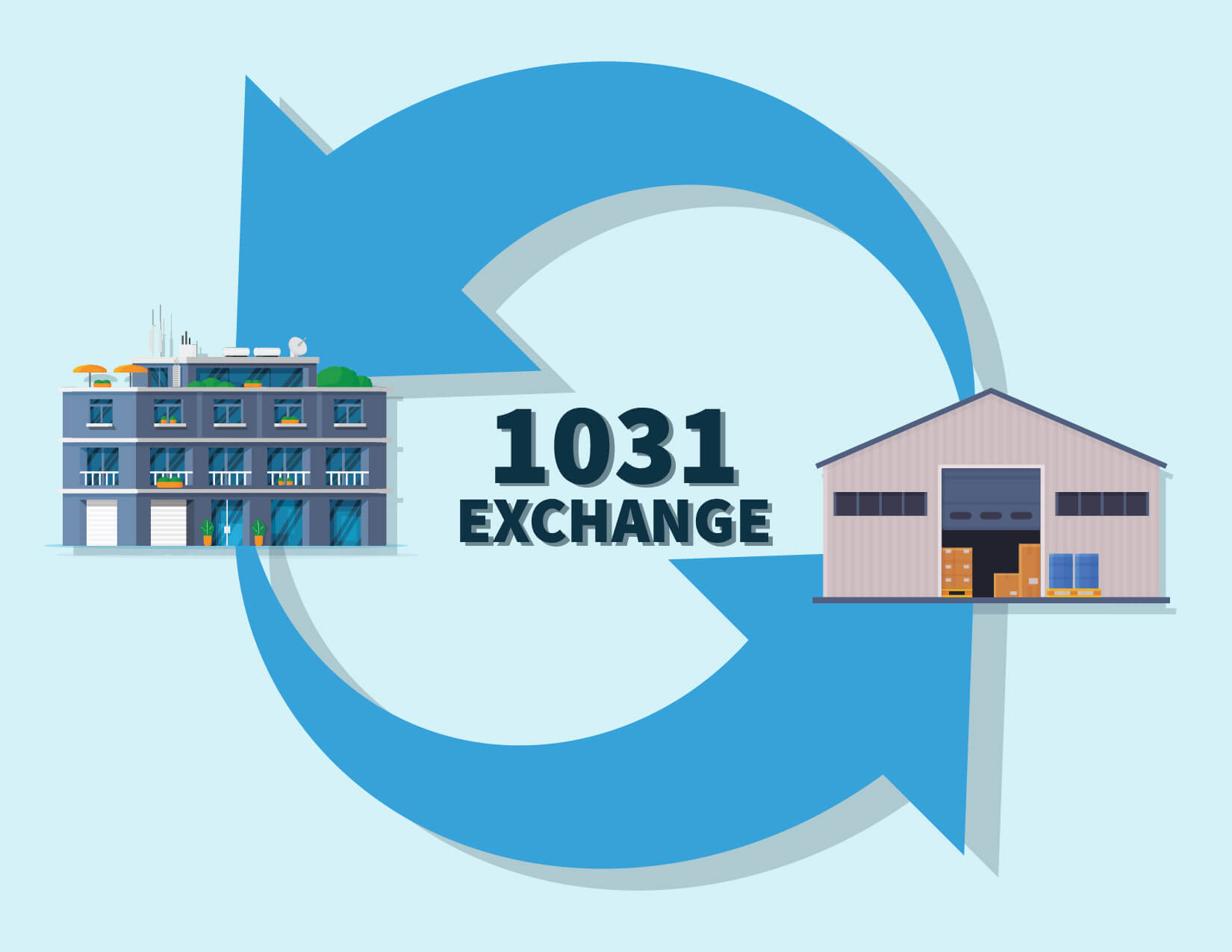
A 1031 exchange is a tax strategy that allows qualifying real estate investors to defer capital gains taxes when selling one investment property and reinvesting the proceeds into another eligible property.
For investors focused on long-term wealth building, passive income, or portfolio growth, this strategy can help preserve more capital for future investments.
What Is a 1031 Exchange?
Named after Section 1031 of the U.S. Internal Revenue Code, a 1031 exchange allows investors to sell an investment property and purchase another “like-kind” investment property without immediately paying capital gains taxes.
Instead of cashing out and paying taxes right away, the investor reinvests the proceeds into another qualifying property.
This helps investors continue growing their portfolios while delaying tax obligations.
How a 1031 Exchange Works
The process generally follows these steps:
- Sell an investment property
- Funds are held by a qualified intermediary
- Identify replacement property options within IRS deadlines
- Purchase a qualifying replacement property
- Defer capital gains taxes
The replacement property must meet IRS rules and timelines to qualify.
Why Investors Use 1031 Exchanges
Many investors use 1031 exchanges to:
- Preserve investment capital
- Upgrade into larger assets
- Transition into passive income investments
- Diversify portfolios
- Reduce management responsibilities
For example, an investor may sell multiple residential rentals and exchange into a single triple net lease property with long-term corporate tenants and lower operational involvement.
Why Triple Net Properties Are Popular for 1031 Exchanges
Many investors completing a 1031 exchange choose NNN or Absolute NNN properties because they often provide:
- Passive ownership
- Predictable cash flow
- Long-term leases
- Reduced management responsibilities
- Stable corporate tenants
This makes them especially appealing for retirees, business owners, and investors seeking more hands-off real estate income.
Important 1031 Exchange Rules
A few important rules include:
The Property Must Be Investment Real Estate
Primary residences generally do not qualify.
Identification Deadline
Investors usually have 45 days to identify replacement properties.
Purchase Deadline
The transaction typically must be completed within 180 days.
Use a Qualified Intermediary
Investors cannot directly receive the sale proceeds during the exchange process.
Because the rules can be complex, professional legal and tax guidance is essential.
Final Thoughts
A 1031 exchange can be a powerful strategy for real estate investors looking to defer taxes while continuing to grow their portfolios.
For many investors, it also creates an opportunity to transition from active property management into more passive investments like triple net lease properties.
By preserving capital and improving investment flexibility, a 1031 exchange can play an important role in long-term real estate wealth planning.